Berberine is widely discussed in supplement conversations, but useful evaluation starts with the basics: what the ingredient is, how much a product actually supplies, what the label says, and which claims go beyond what a responsible product page should promise. This guide focuses on reading berberine information carefully rather than treating it as a shortcut or a medicine.
Good supplement decisions begin with clear information and realistic expectations. This article focuses on practical consumer understanding rather than diagnosis or treatment. Where a topic overlaps with medication, symptoms or a diagnosed condition, individual healthcare advice takes priority.
What berberine is
Berberine is a naturally occurring compound found in several plants, including species in the Berberis family. In supplements it is often supplied in a salt form such as berberine hydrochloride, commonly shortened to berberine HCl. Seeing the ingredient name on a label does not, by itself, tell you whether a product is suitable for you or how it should fit into your routine.
The useful questions are practical: how much does the stated serving provide, what other ingredients are included, what are the directions, and are there reasons you should seek professional guidance before using it?
Quantity and serving context
When a product lists berberine, check whether the amount is stated per capsule or per full serving. If the serving contains two or more capsules, that distinction matters. Use the label's own serving definition when comparing products rather than converting everything based on assumptions.
A transparent label makes it easier to see whether you are already getting the same ingredient from another supplement. This is particularly important in multi-product routines where overlapping formulas can be easy to miss.
Combination formulas
Some products provide berberine on its own, while others combine it with fibre, minerals or food-derived ingredients. A combination is not automatically better or worse. It simply creates more variables to review. Look at every declared active, not only the ingredient that attracted your attention.
If a product contains several actives, ask whether the amounts are shown individually. A short formula with visible quantities can be easier to discuss with a healthcare professional than a long list whose composition is difficult to interpret.
Why medication conversations matter
Supplement use becomes more important to discuss with a healthcare professional when prescription medicines are involved. This is especially relevant when medicines affect blood glucose or when a person is managing a diagnosed condition. A supplement should never be treated as a replacement for prescribed medication.
If you are unsure whether an ingredient is compatible with your medicines, do not resolve the uncertainty by changing your medicine or experimenting with the supplement. Bring the current label and your medication list to a pharmacist, doctor or other qualified professional.
Avoid treatment-style expectations
Online discussion can blur the line between a dietary supplement and a medicine. A responsible review keeps that line clear. Berberine-containing products should not be presented as cures, guaranteed weight-loss products or substitutes for medical treatment.
The more dramatic the promised outcome, the more important it is to return to the label and the evidence you can actually verify: ingredient, quantity, serving, warnings and current seller terms.
How Noxivam presents berberine
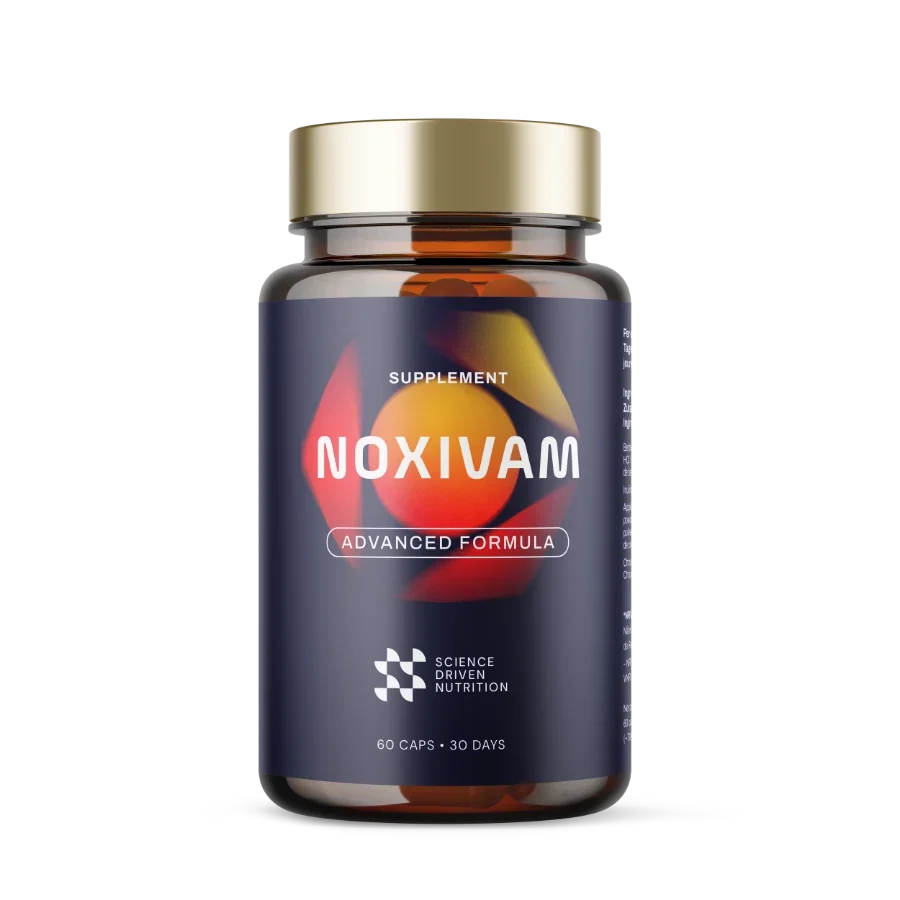
The product information supplied for Noxivam lists 250 mg of berberine HCl in the stated daily serving, alongside inulin, apple cider vinegar powder and chromium picolinate. That amount is presented here as a label fact, not as a promise of a particular result.
If you are considering Noxivam, review all four actives together and follow the current bottle directions. Personal suitability matters more than marketing language.
Ask what else is in the capsule
A berberine product may include other actives that change the overall decision. Review the formula as a combination rather than assuming the best-known ingredient is the only one that matters. This is especially important when a mineral or fibre is present because you may already get it elsewhere.
The complete ingredient list can also reveal capsule materials and manufacturing aids. People with specific dietary requirements or allergies should check those details on the current label.
Make the decision at your own pace
A supplement is rarely an emergency purchase. Give yourself time to read the current label and seller terms, particularly when the offer page uses a temporary promotion. The practical question is whether the product suits your circumstances, not whether you can buy it quickly.
If you are comparing medical claims online, prioritise advice from qualified healthcare professionals and recognised health sources over product marketing. A supplement page should never be your sole source for treatment decisions.
A practical decision framework
When you encounter a supplement online, slow the decision down into separate questions. First, identify exactly what the product is and what the current label says. Second, consider personal suitability, including medicines, health conditions and other supplements. Third, review the practical routine: serving size, timing and whether you are realistically willing to follow it. Finally, look at the commercial terms only after the product information makes sense to you.
This order matters because a discount can create urgency while suitability requires thought. Keeping those decisions separate helps you avoid buying first and reviewing later. It also gives you a clearer basis for comparing different products.
Questions to write down before purchase
- What is the stated daily serving?
- Which active ingredients are declared and in what amounts?
- What else is in the complete ingredient list?
- Are there warnings that apply to me?
- Am I already taking any of the same ingredients elsewhere?
- Do my medicines or health conditions make professional advice sensible?
- What is the final price including delivery?
- What are the seller's actual return and refund conditions?
These questions are deliberately simple. A good supplement decision should become clearer as you gather information, not more confusing. If the answers remain uncertain, waiting is a reasonable choice.
← Back to the Wellness Journal
Dose matters more than ingredient recognition
Seeing a familiar ingredient name on a front label does not tell you how much is supplied. Compare the amount per daily serving, not merely the size of a capsule or the number printed on the front of the bottle. A clear label should make the serving size and ingredient quantity easy to connect.
Keep supplement and medical decisions separate
Berberine is frequently discussed alongside blood glucose and metabolic topics. That makes it especially important not to use supplement information as a substitute for medical assessment. People using prescription medicines, particularly medicines that affect blood glucose, should discuss suitability with an appropriate healthcare professional.
Evaluate the whole formula
A multi-ingredient product should be reviewed as a complete formula. Look at every active ingredient, the capsule materials, warnings and directions. A useful decision is based on the full label and personal circumstances, not on one ingredient in isolation.
Treat a supplement decision as one small part of a broader routine. Food choices, activity, sleep and medical care continue to matter regardless of which capsule you buy. If your interest in berberine relates to a diagnosed condition, laboratory result or prescription medicine, the next step is a conversation with a qualified healthcare professional rather than a higher supplement dose or a self-directed medication change.
A useful way to keep expectations grounded
Before choosing any berberine product, ask whether the amount is stated per capsule or per full daily serving, whether other active ingredients are present, and whether the directions are clear. Look for warnings that relate to your circumstances rather than assuming a plant-derived ingredient is automatically suitable for everyone. Price also deserves context: compare the cost of the actual daily serving, not just the headline bottle price.